Living for more time

Time is a weird and inevitable thing.

If we get to the end of our lives having spent the whole thing fighting time, we will have lost.

If we spend our days wishing we were younger, refusing to accept changes, we will always be feeling hurt and scared and defeated.

If our deepest need is for time to not pass, to not grow old and die, we will end up with the greatest loss and frustration.

Time. Will. Pass.

We can’t live for keeping yesterday or today.

We can’t live for staying alive.

So what else can we live for?

Love?

Kindness?

Showing up for each other?

Making the world a little bit of a sweeter place?

Things like safety and survival are overrated. At the end of the day, they’re sort of . . . impossible.

Unfortunately, we seem to be wired to keep anxiously reverting back to “Must stay safe!”

“According to Buddhist psychology, most of our troubles stem from attachment to things that we mistakenly see as permanent.” ~ Dalai Lama

Time. Will. Pass.

So what more meaningful things can we do with our time here together?

“Hey Anna, I just thought of one thing that’s permanent.” “What’s that?” “Love.” “Warm hugs?” “I like warm hugs.” ~ Disney. Of course.

What are you living for today?

Is the world a dangerous place?

Woman Smiles and Waves at Stranger

Hard-Working Cashier Promoted to Management

Local Man Reports He Still Has Wonderful Relationship with His Family

Single Mother Laid Off but Is Doing Fine with the Assistance of Unemployment and other Support

Nobody Was Murdered In City Today

Group of Friends Really Enjoy Laughing Together Every Week on Game Night

These are a few headlines we will never read.

Because . . . why would anyone care? Right?

Except, now we have a problem. . . .

“Bad news travels at the speed of light; good news travels like molasses.”

Tracy Morgan

How many minutes a day do you scroll “news”-feeds?

How many headlines do you see in those minutes hours?

If you had to guess, in all those daily headlines, what is the ratio of terrible news to amazing news?

Or how about the ratio of terrible stories to everything’s-just-fine stories?

In this quick-look-for-all-the-dangers-NOW world (which, yes, may have helped us survive as a species), we don’t really hear about how frequently life goes well, things work out fine, and days go by peacefully.

We hear the bad stuff.

All. The. Time.

So much that we might start to believe that the bad stuff is all the world’s made up of.

What have you internalized, from the daily intake of “oh-no” stories, about how safe the world is or isn’t?

And what could help remind you daily that reality may actually look very different?

That maybe things will be okay . . .

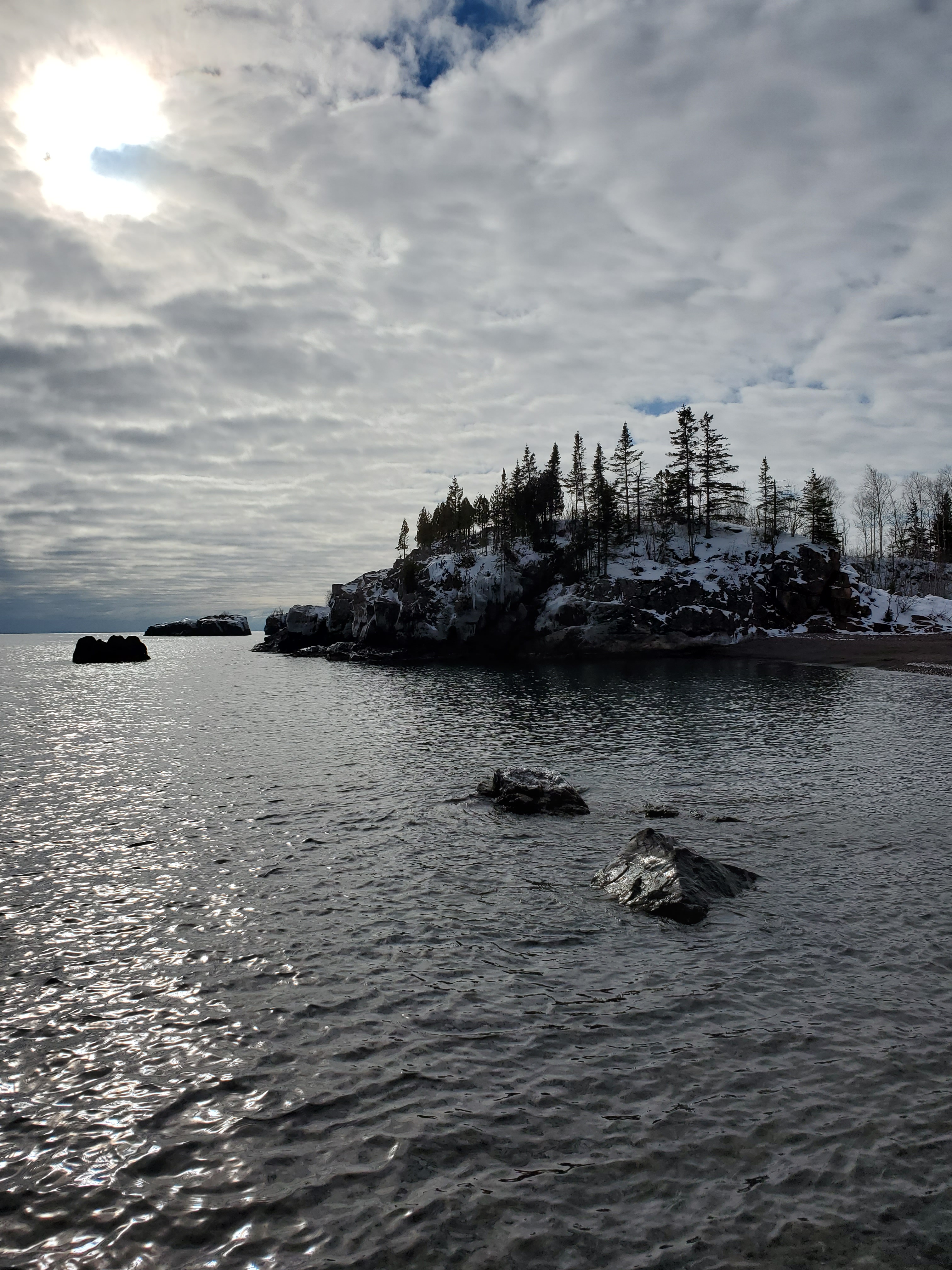
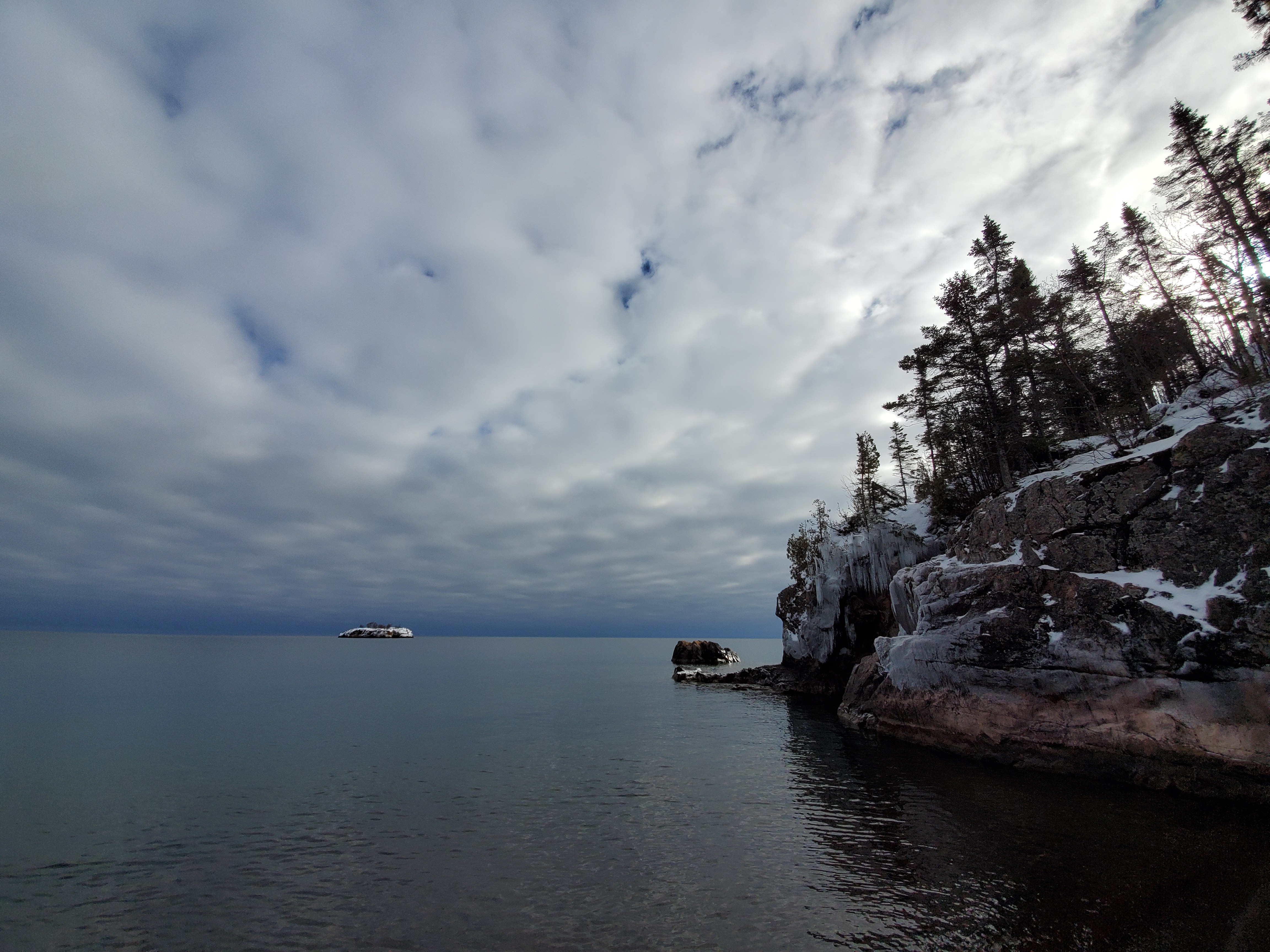
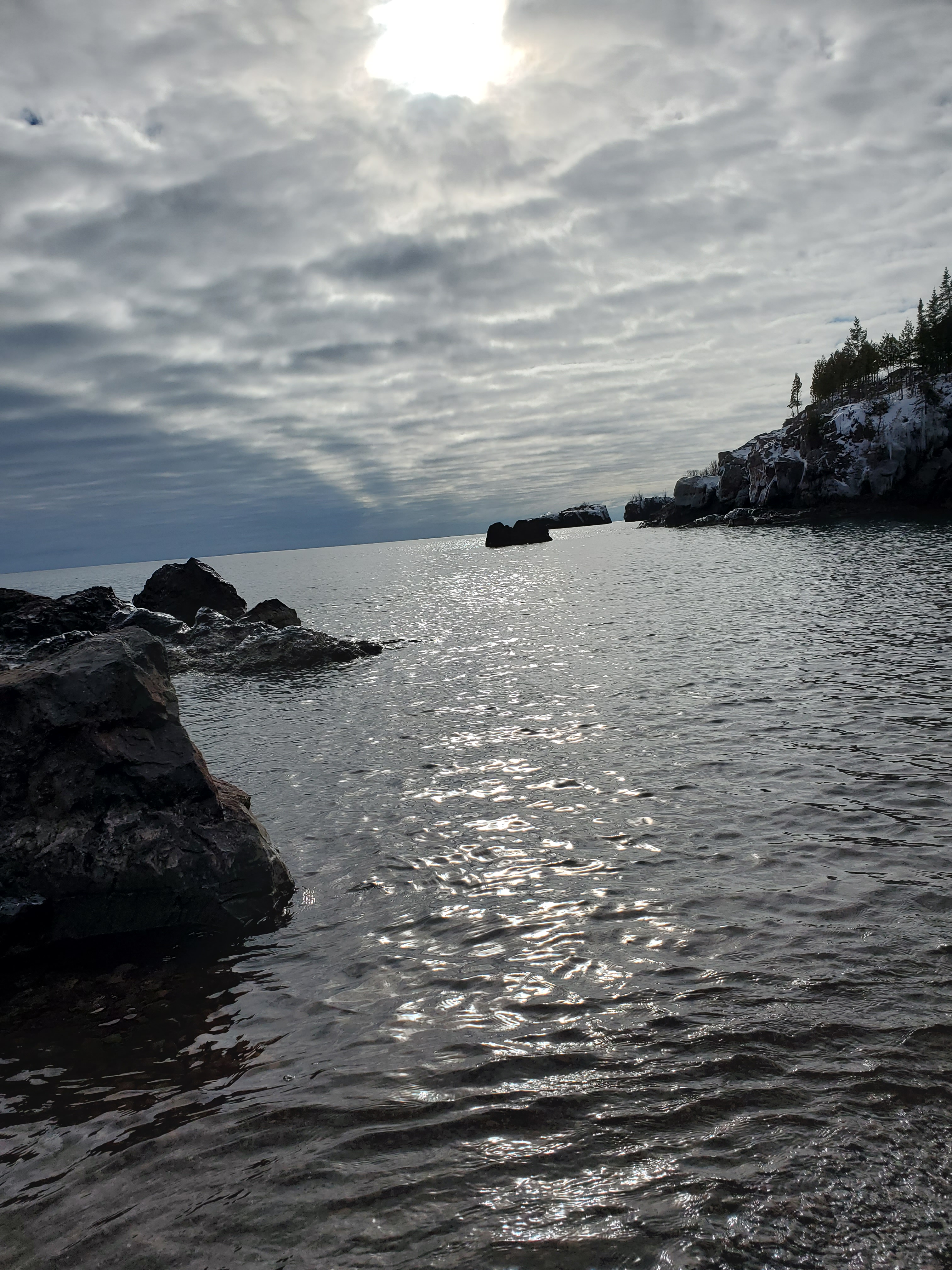
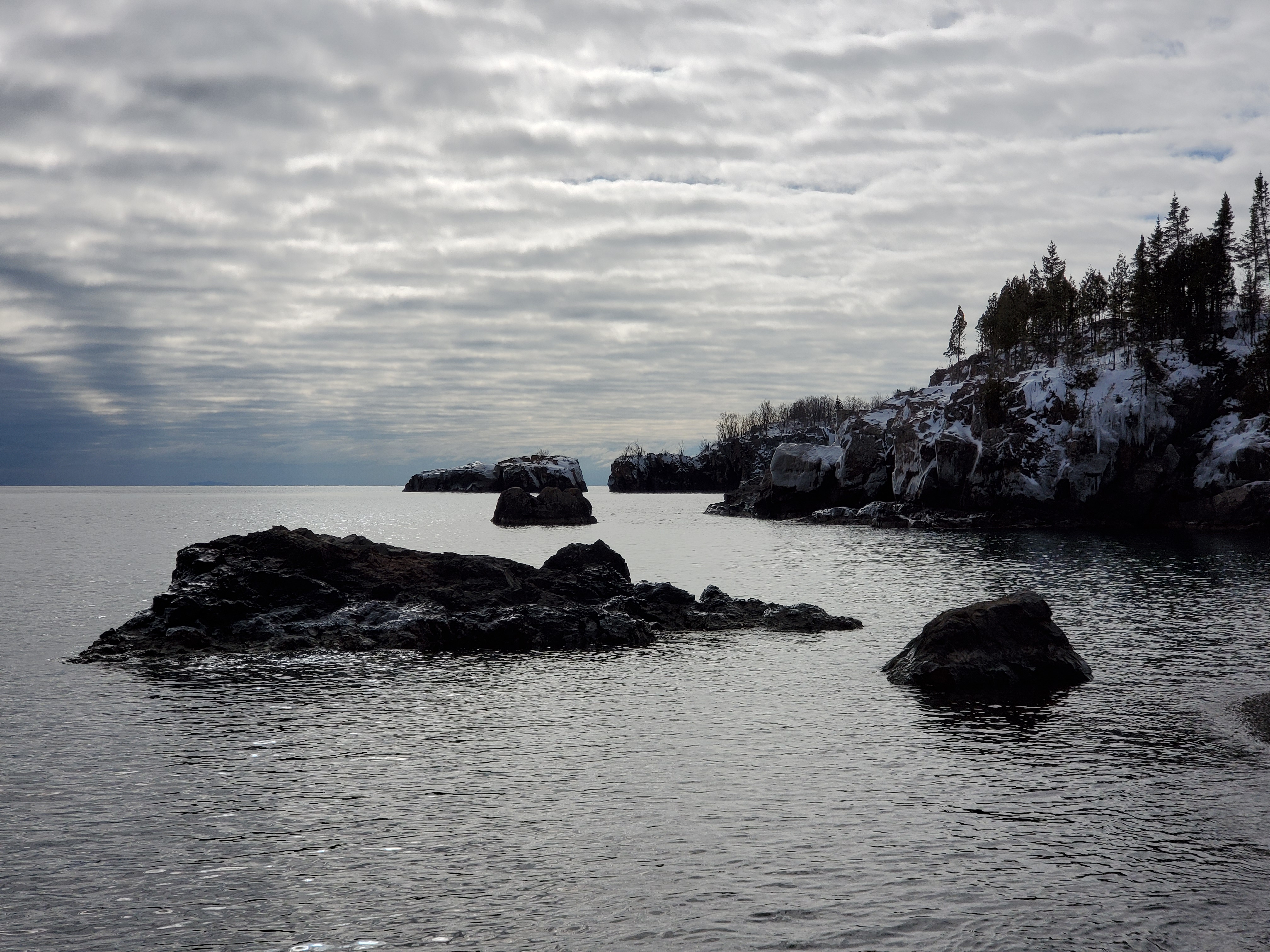
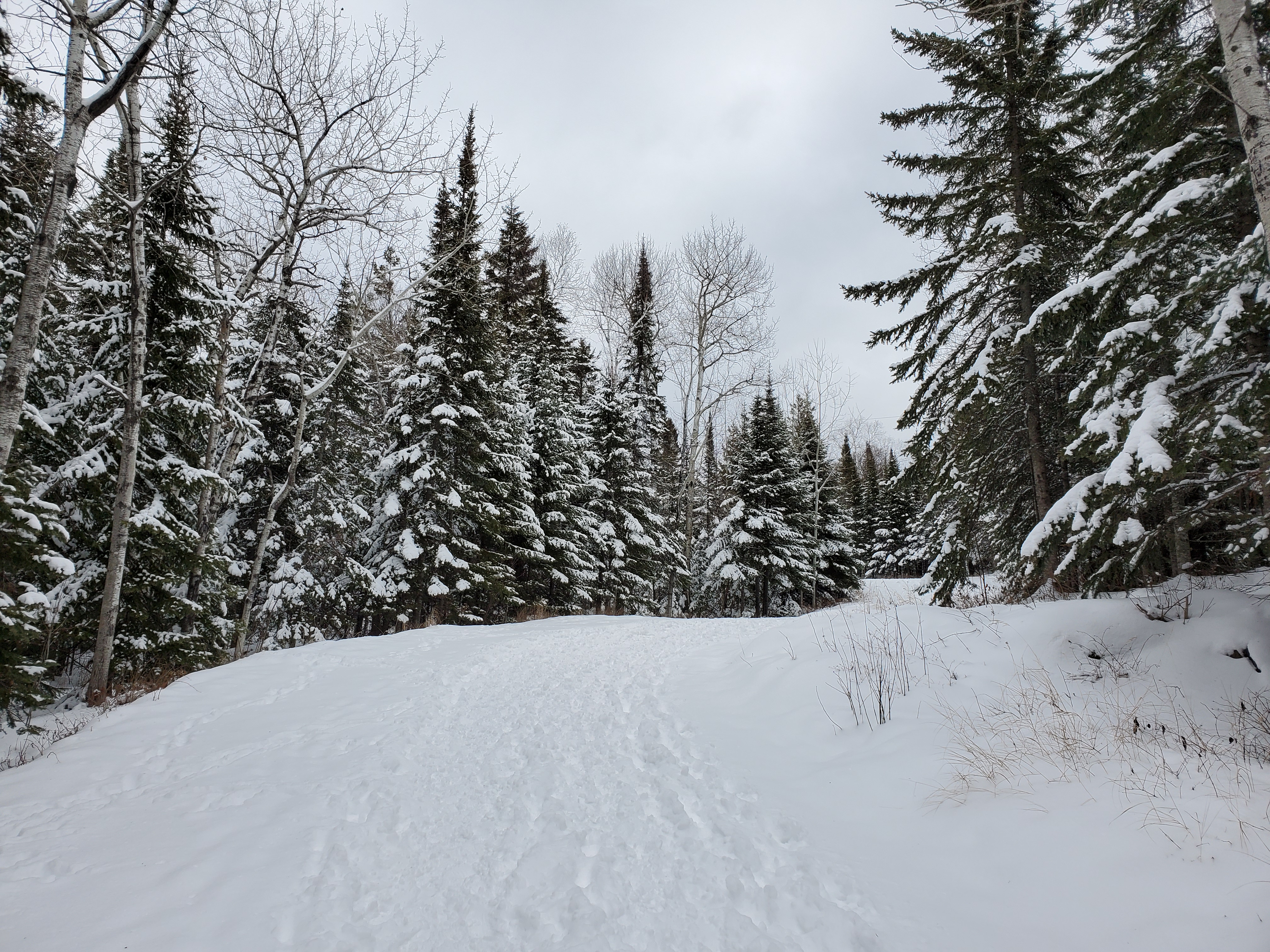
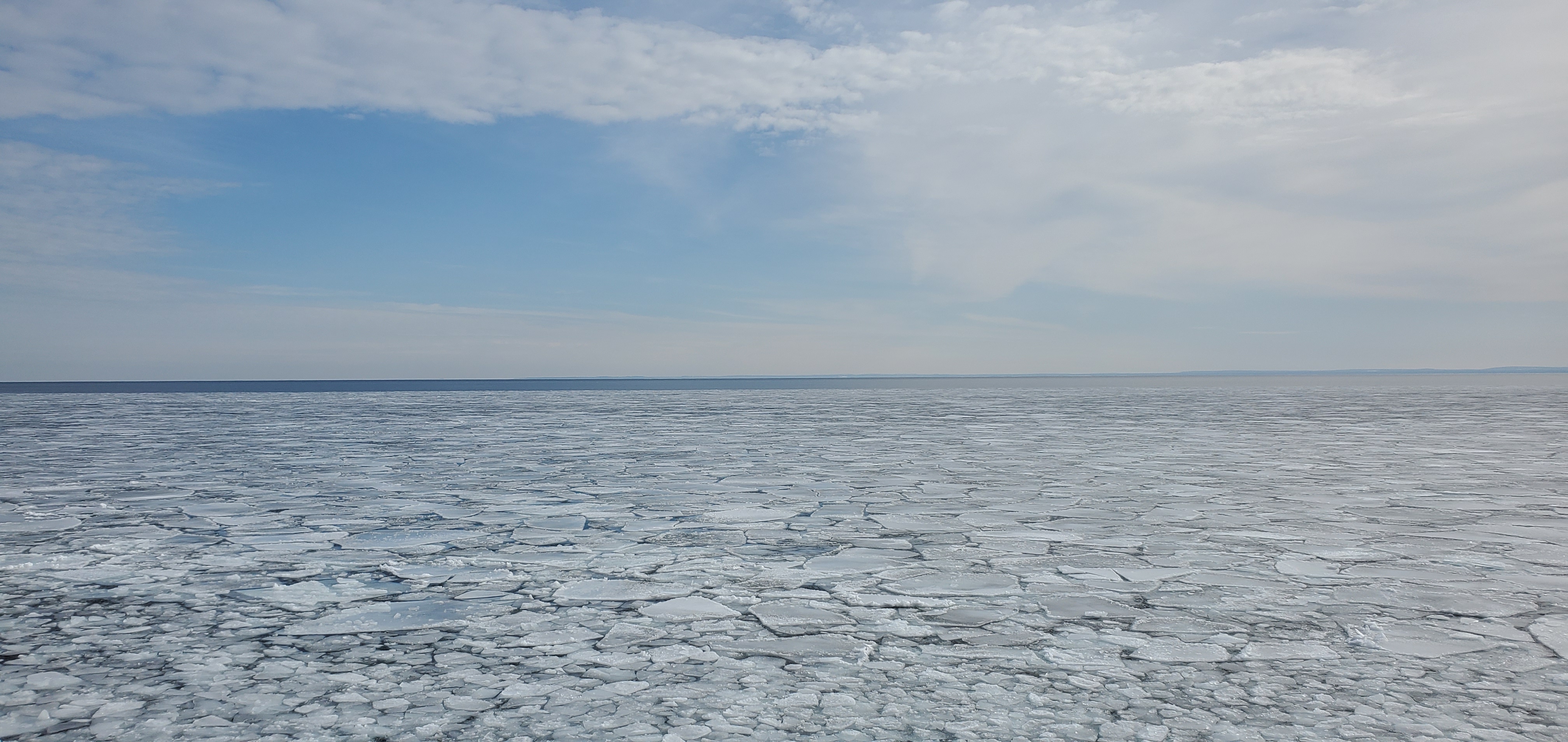
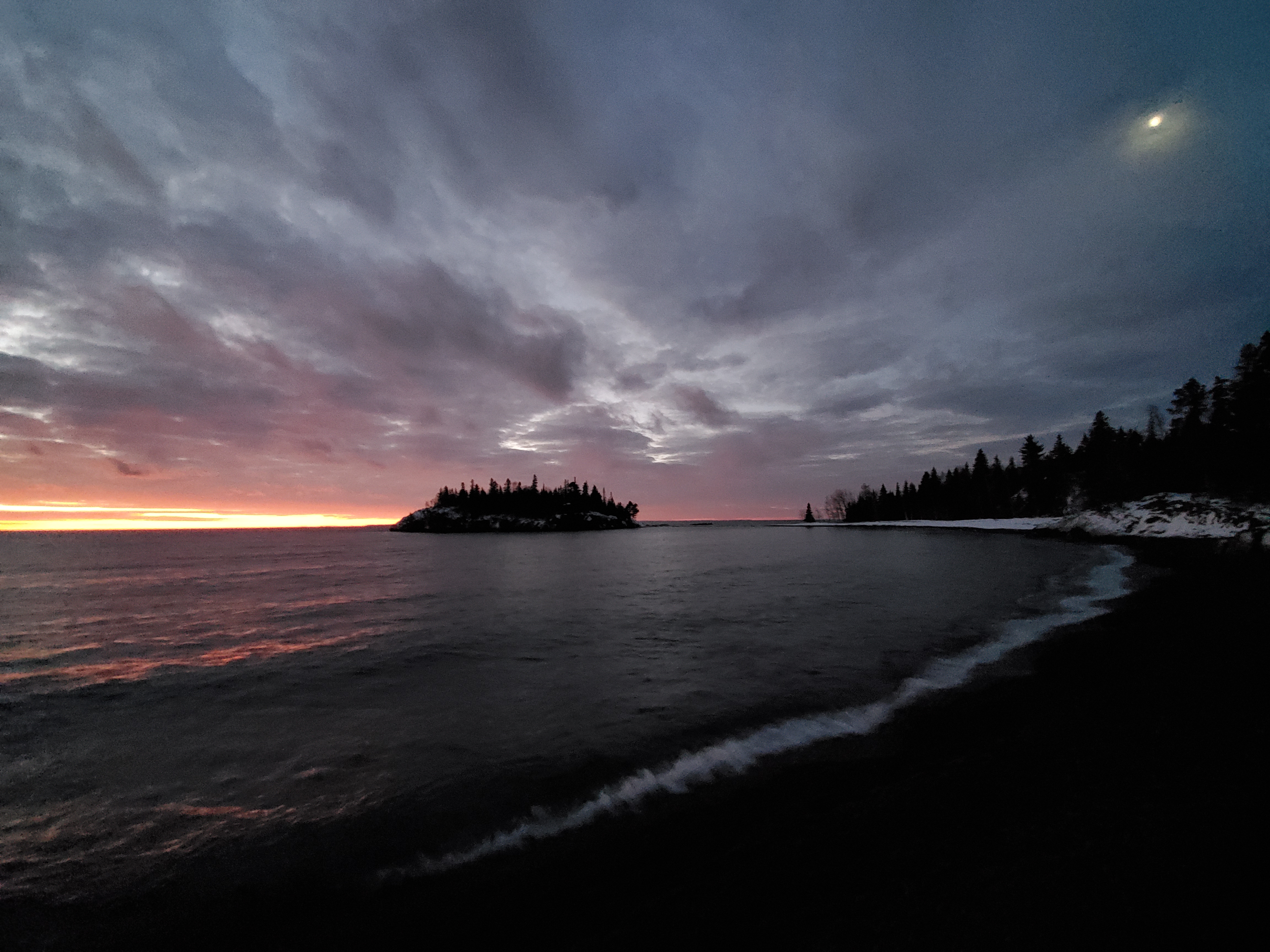
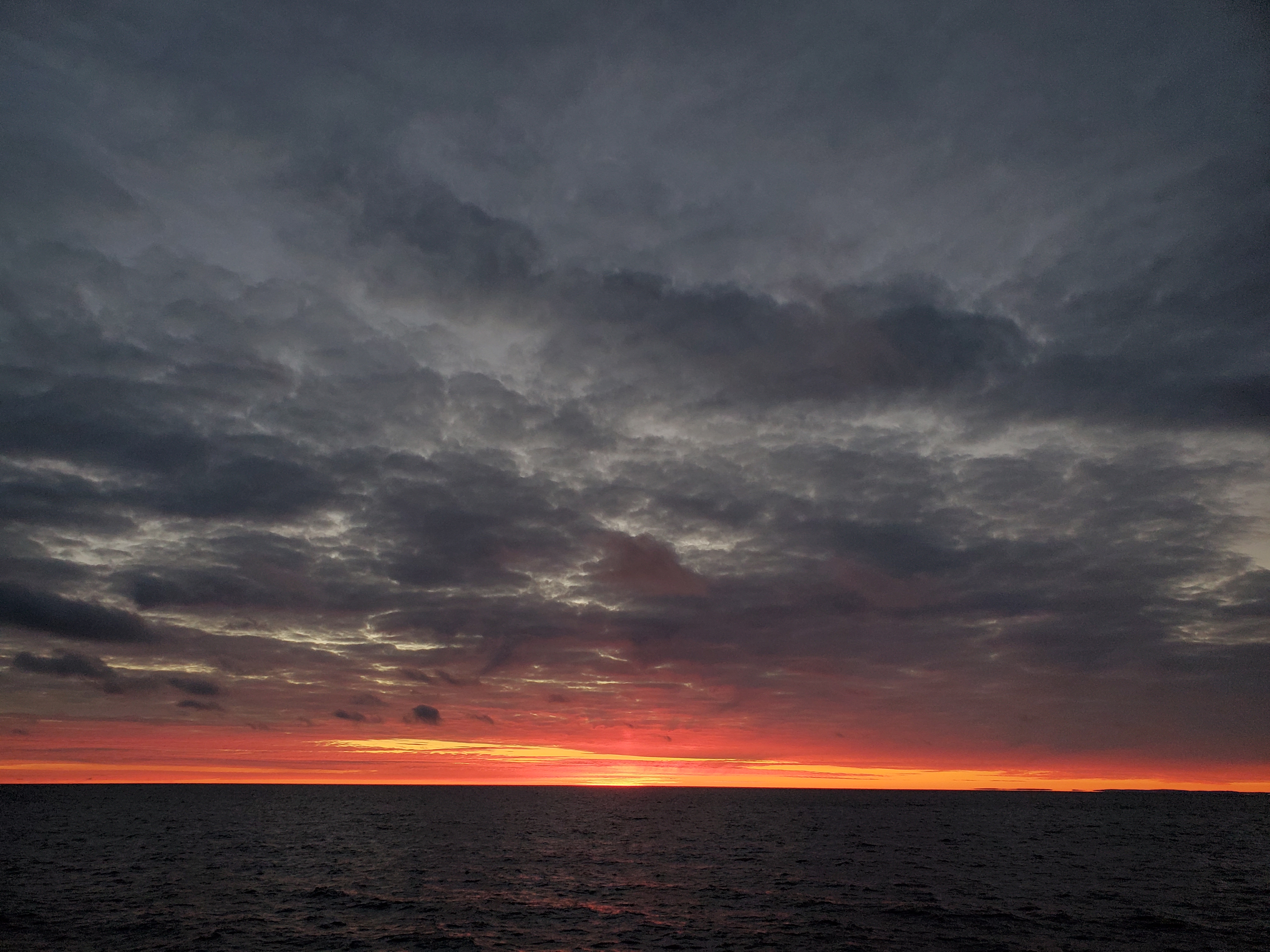
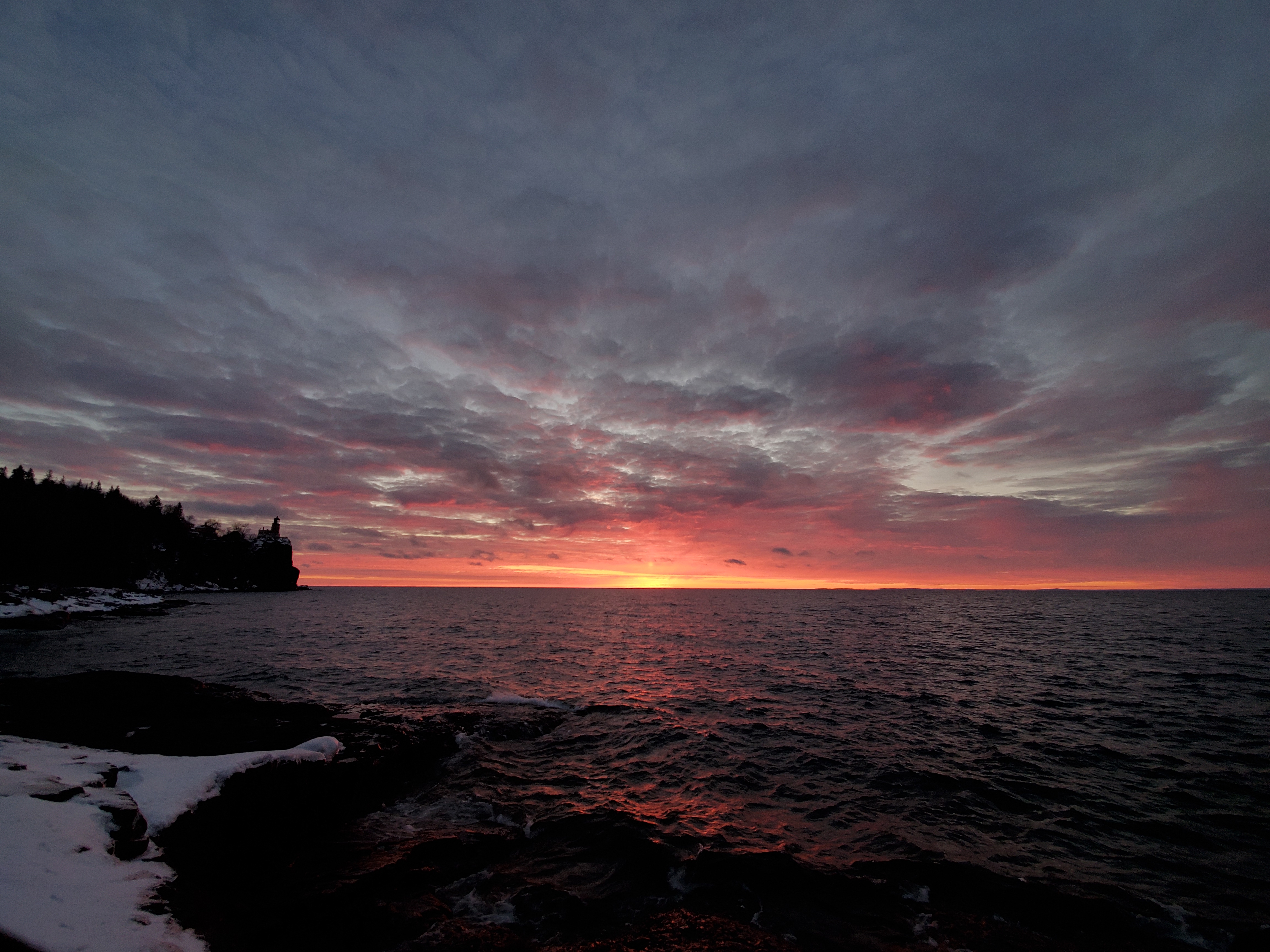
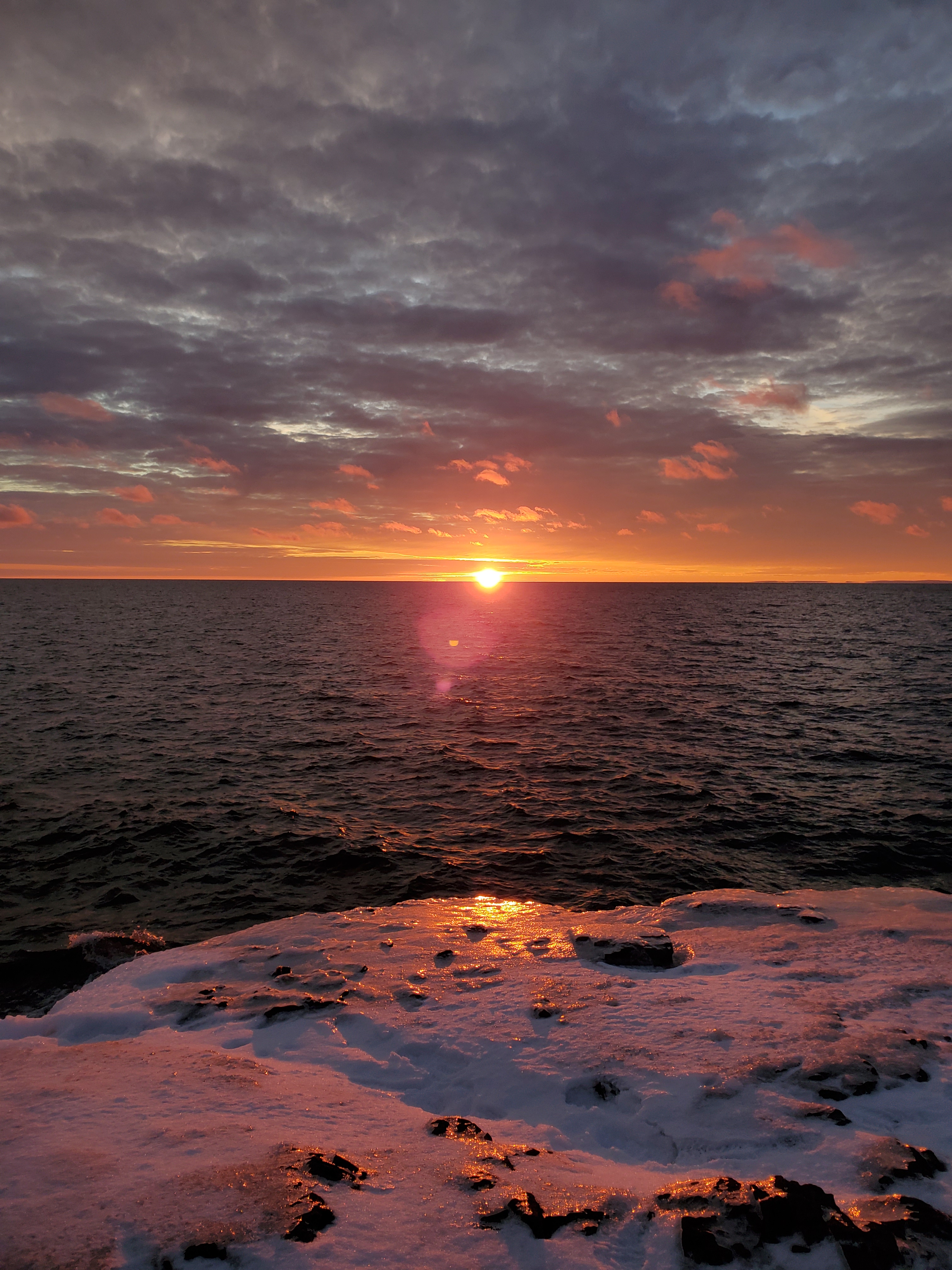
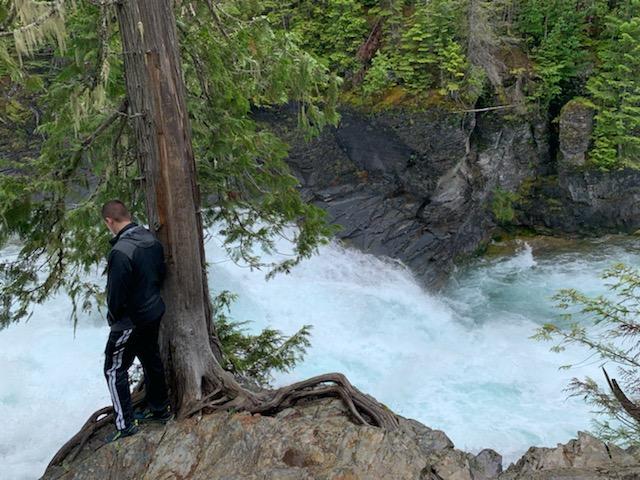
Loneliness, stillness, and a North Shore adventure

It’s good to just go sometimes.

Adventure is always within reach.

The earth is bigger than your stress.

Nature is cleansing.

You’re allowed to take care of yourself.

“Ever more people today have the means to live, but no meaning to live for.” ~ Viktor Frankl

“With shortness of breath
You explained the infinite
And how rare and beautiful it is to even exist”

~ Saturn, Sleeping at Last

“I’d give anything to hear you say it one more time
That the universe was made just to be seen by my eyes”

~ Saturn, Sleeping at Last

Life is, among other things, what you make it. Inner life, at least.

Sit completely still sometimes. Let time carry you and space wash over you. There is something more to this life.

You are safe.

When you take a real break–leaving your people and places and things–the deep down life-feelings will come in waves. Inspiration. Loneliness. Love. Uncertainty. Wonder. Pain. Acceptance. It’s your heart finally getting a turn to speak. Don’t run away from your heart. Make times to really come back to yourself.

Loneliness, when you sit with it, is a doorway.

Loneliness teaches you what you’ve grown dependent on, what controls your mind.

Loneliness shows you which parts of yourself need a tighter hug.

And on the other side of loneliness lies the powerful truth that we humans need each other.

Next time you have the chance, grab your earbuds, pick the most beautiful songs you know, and just watch the morning do its thing.

“Everything can be taken from a man but one thing: the last of the human freedoms–to choose one’s attitude in any given set of circumstances, to choose one’s own way.” ~ Viktor Frankl

Stillness can make one’s way clearer.

“Between stimulus and response there is a space. In that space is our power to choose our response. In our response lies our growth and our freedom.” ~ Viktor Frankl

Learning to be okay with stillness gives you the time back, the presence back, to actually show up for that space in between stimulus and response, to actually recognize that you don’t have to be pulled along on a carousel of pre-determined conflict and coping–that you can slow down and mindfully choose your responses to the adventures life throws at you.

And you can always, always choose love.

~

Why nobody can hear the alarm anymore, and what you and I can do about it today

There’s a reason it seems nearly impossible these days that our country could deal decisively with a genuinely dangerous or unfit leader. It has to do with the way you and I speak every day.

Our problem, if we can stand a little self-reflection, is that you and I habitually label as “dangerous” or “unfit” EVERY SINGLE PERSON with a perspective significantly different from our own. We exaggerate their faults and exaggerate the threats they pose.

We use words like “absolutely insane” or “downright evil” or “totally incompetent” or “worst ever” or “pathetic” or “ignorant” or “sick” or “disgusting.” We throw these labels around pretty easily, using their intensity as our argument.

(I do this, too.)

That lawmaker is “an imbecile.” That judge is “entirely unfit.” This governor is “mentally unstable.” This crisis is “unprecedented.”

No. No, probably not. Usually, that person is actually just . . . different from us. Pretty significantly different. And maybe we have valid concerns around the impacts of their ideas. And maybe we’re right that “they’re wrong.” . . . And sometimes, sometimes, yes, they’re pretty yucky people.

But when we use superlatives–“worst,” “craziest,” “weakest,” “most radical,” “most dangerous,” “most disgusting”–to describe every single person with whom we disagree . . . then we have no effective language left for when there is a truly “worst”-case-scenario.

Psychologists and psychiatrists warned years ago of the genuine dangers of having a narcissist in the White House, but that label carries little alarm when you and I have already been calling every political leader of the opposite party a “narcissist,” a “bully,” “corrupt,” “ignorant,” “mentally unstable” . . .

If we claim at every single election that the opponent is “the most dangerous candidate we’ve ever seen” or “the most incompetent” or “a complete joke”–then what language is left to sound the alarm when it’s actually true?

If every single election season I hear my group’s favorite called “an asshole,” “hopeless,” “an absolute idiot,” “wrong in the head,” or “unstable”–why would I take it seriously when it’s finally true?

It’s like the boy who cried wolf, only it’s us and our sort of lazy habit of calling everything and everyone we don’t like “the worst.”

In reality, very few of us are “the worst.” You and I and everybody exist on a scale. A bunch of little scales, actually. I have some neuroticism, some selfishness, some ignorance, some weakness. And I have some strength, some compassion, some clarity, some courage. And so does that lawmaker you despise. And all “those liberals” or “those conservatives.”

So when four years later a President with an apparent case of Narcissistic Personality Disorder whips up his followers into a frenzy–it’s . . . sort of . . . on all of us. Somehow, we got here together.

We got here together by (among other things) having little tolerance or respect for people who disagree. By automatically labeling “different” as “dangerous.” By demonizing everyone who isn’t like us.

When we live and breathe a constant stream of superlatives, it’s sort of on all of us when “the most dangerous President in history” doesn’t really alarm half of us anymore.

This isn’t to shift the blame away from anybody who deserves a big, big share of it.

It’s a call for you and me to be a part of making this better starting now.

This nauseatingly polarized country is made up of a bunch of you’s and me’s. It IS our problem. We DID get ourselves here. WE make up “the people.”

It’s not all your fault or all my fault, but I think we have more power to change our country’s trajectory than we realize. We can each start by acknowledging that “those people” may be well-meaning, competent people, living somewhere on all those scales. And that we actually CAN live with them and keep working toward good side by side–even when we see good differently (and even when maybe we’re right).

On the other hand, if we keep demonizing all who disagree with us: We lose all credibility; and we wear out the alarm we may actually need on occasion.

Republicans don’t want all the poor people to starve and democrats don’t want to steal all your money or kill all your babies.

And if we take the easy way out by accusing each other of these worst-case caricatures, then when a truly dangerous character shows up, a bunch of people won’t notice.

“I could stand in the middle of 5th Avenue and shoot somebody and I wouldn’t lose voters.” – Donald Trump at a January 2016 campaign rally

If we want the circus to stop, we need to change the way we talk to and about each other. Every. Single. Day.

“They” are NOT all hopelessly evil.

For the most part, they’re . . . people.

Like you and me.

Less labeling. More conversation.

What about your own oxygen mask?

I write. That is what I do. All the time.

Sometimes I hear from a friend, or someone I don’t know at all, that my words made a difference for them–made them feel understood, not alone, inspired them. And that is why I write.

When I write, life makes more sense to me, and I feel the big feelings like thankfulness or courage or determination, and I begin to understand complicated subjects as I wade through them sentence by sentence. And that is why I write, too.

So . . . I write.

Except, not a whole lot these last few months.

The dry spells feel like “failure” and “fraud” to me. But the calmer, more thoughtful part of my brain reminds me of a big lesson I’ve been learning this year.

“Please put your own oxygen mask on first, before assisting others.”

Why?

Because if you run out of oxygen while trying to help others breathe, you can’t help anymore.

Only by ensuring your own health first, can you continue showing up to help others.

Do you realize, once in a while, that you’ve been running around trying to help others with their oxygen masks, neglecting the fact that yours has slipped off?

And what do you do when you realize that you’re showing up for others so much that you are no longer showing up for yourself?

Have you tried just keeping that pace up? Ignoring the burning in your lungs, insistent on showing up for others, even if it means you’re suffocating? What happens then? Do you finally hit a wall? (Or do you know you will?) And does your depleted energy even help the people you’re so determined to help?

So my challenge for you today is this:

Can you remember that your own oxygen mask has to come first?

And in an exhausting year like this year, full of sad and angry and lonely people, can you still remember that your own oxygen mask has to come first?

Are you allowed to disappear for a minute?