Awkwardly shamelessly human

So much of every day we do what we do and we don’t what we don’t because of a “supposed to” feeling. Many of these arbitrary standards, none of us even like anymore, but we don’t dare color outside the lines about them.

Most of us don’t dance when we want to dance. Most people don’t even want to dance when our bodies are happy or emotional. Because you don’t. You just don’t. You’re supposed to save dancing for where it belongs and then be one of those enviable people who can switch it on.

Most of us answer “pretty good, thanks” when we for sure aren’t pretty good, thanks, because this is just what you do. Because letting your lip quiver and eyes go misty is strange and uncomfortable and friendship is not what friends are for.

Most of us wear the clothes we’re supposed to wear, order the drink we’re supposed to like, keep the job we’re supposed to have, say the things we’re supposed to say, stay alone like we’re supposed to stay alone.

If rewards and punishments and hierarchies and shame and norms and rules and expectations all disappeared, would you sing more? Would you hug more? Would you enjoy your food more? Would you jump in a lake with your clothes on more or at least lay on a beach more? Would you share more and ask more? Would you slow down more and put your phone away and actually rub your dog’s belly for more hours? Would you ask for what you truly want more? Would you laugh more? Would you maybe even do that 6-year-old thing again where you say “Hey, can we be friends?” and suddenly find that the human life isn’t quite so lonely without all the shame?

What if doing what you’re supposed to do and don’ting what you’re supposed to don’t is suffocating you? What if humans aren’t supposed to robot?

When do we get to meet shameless you?

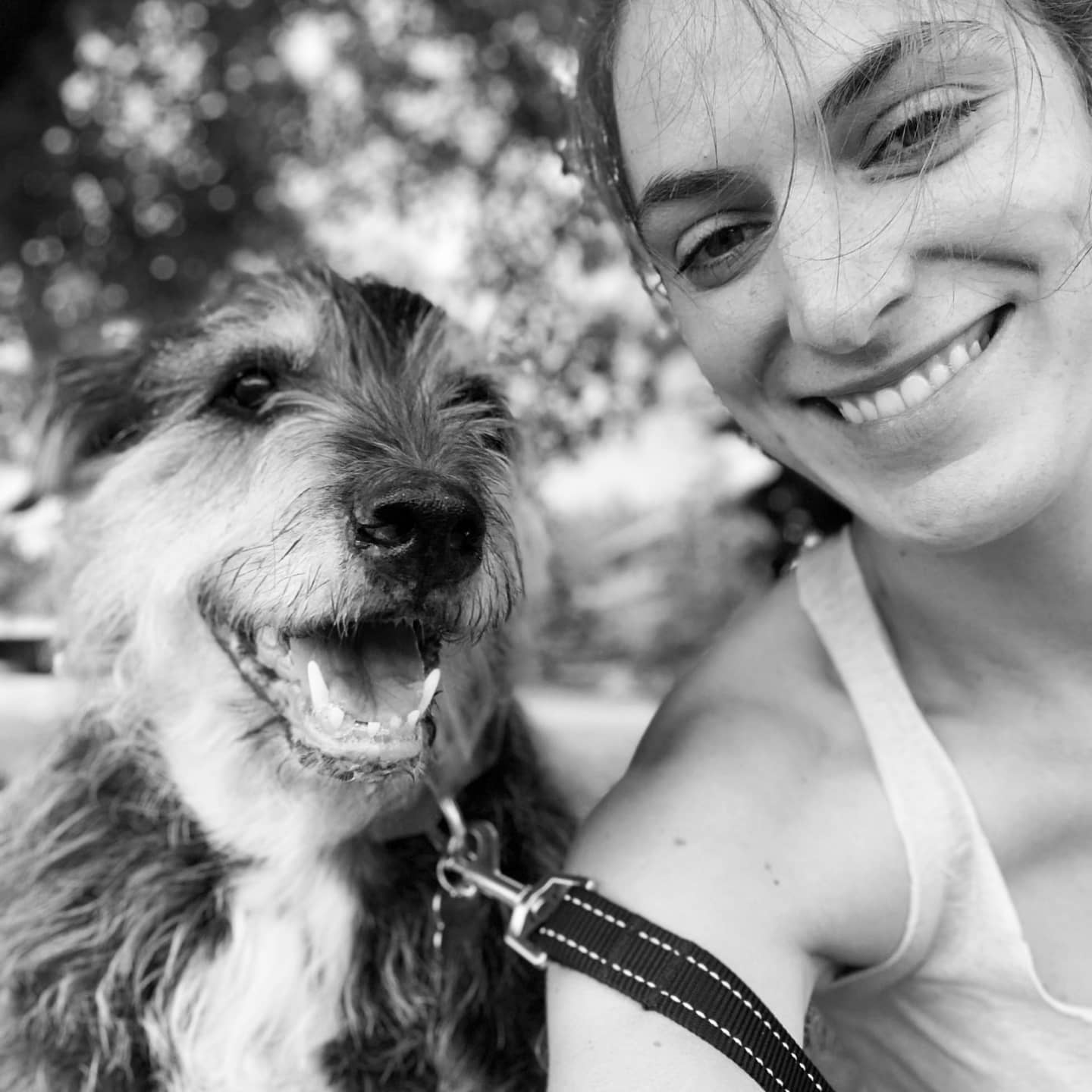
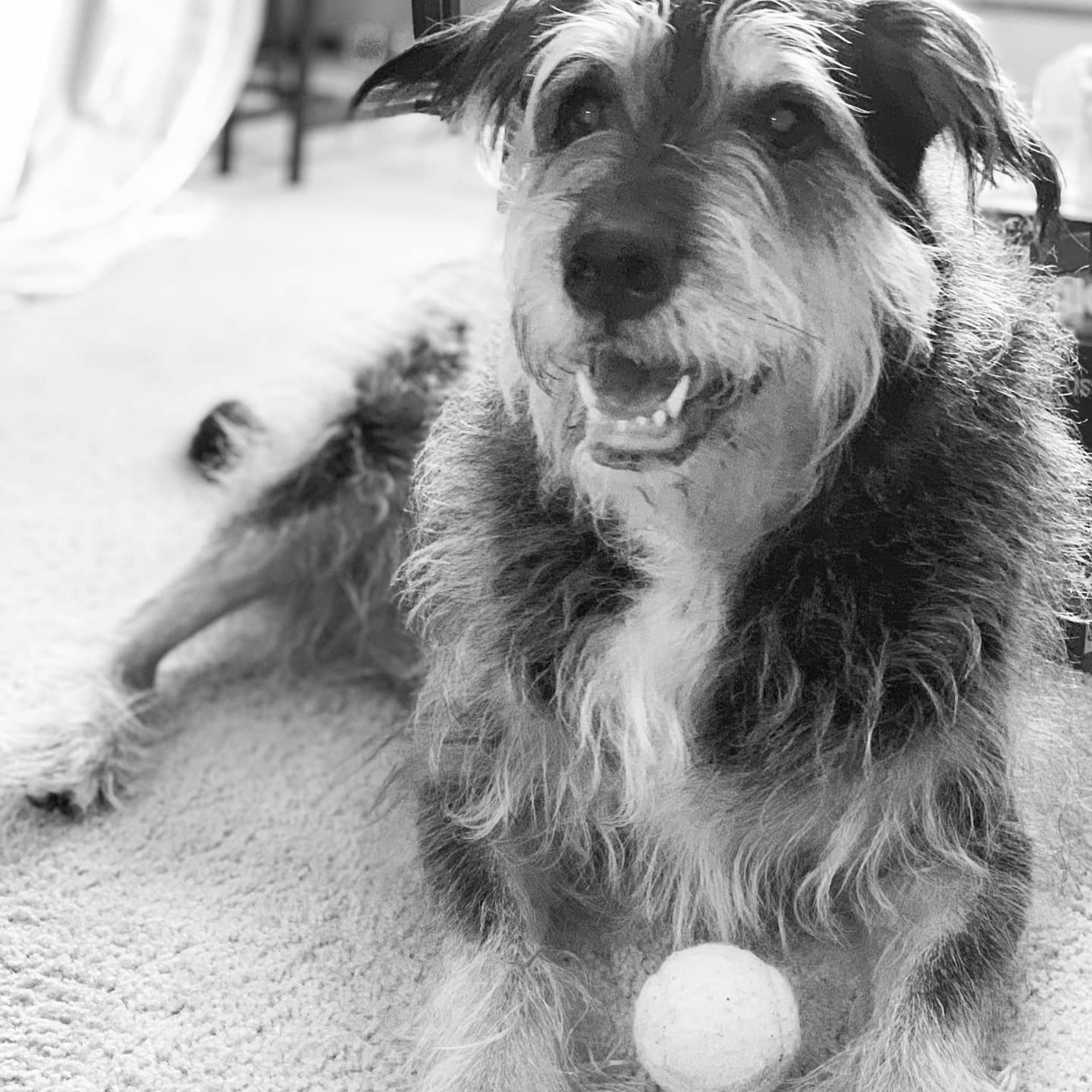
Photo by Lyssi

~

Want some more reminders for your awkwardly shamelessly human journey?

7 books I’m dying to let you borrow

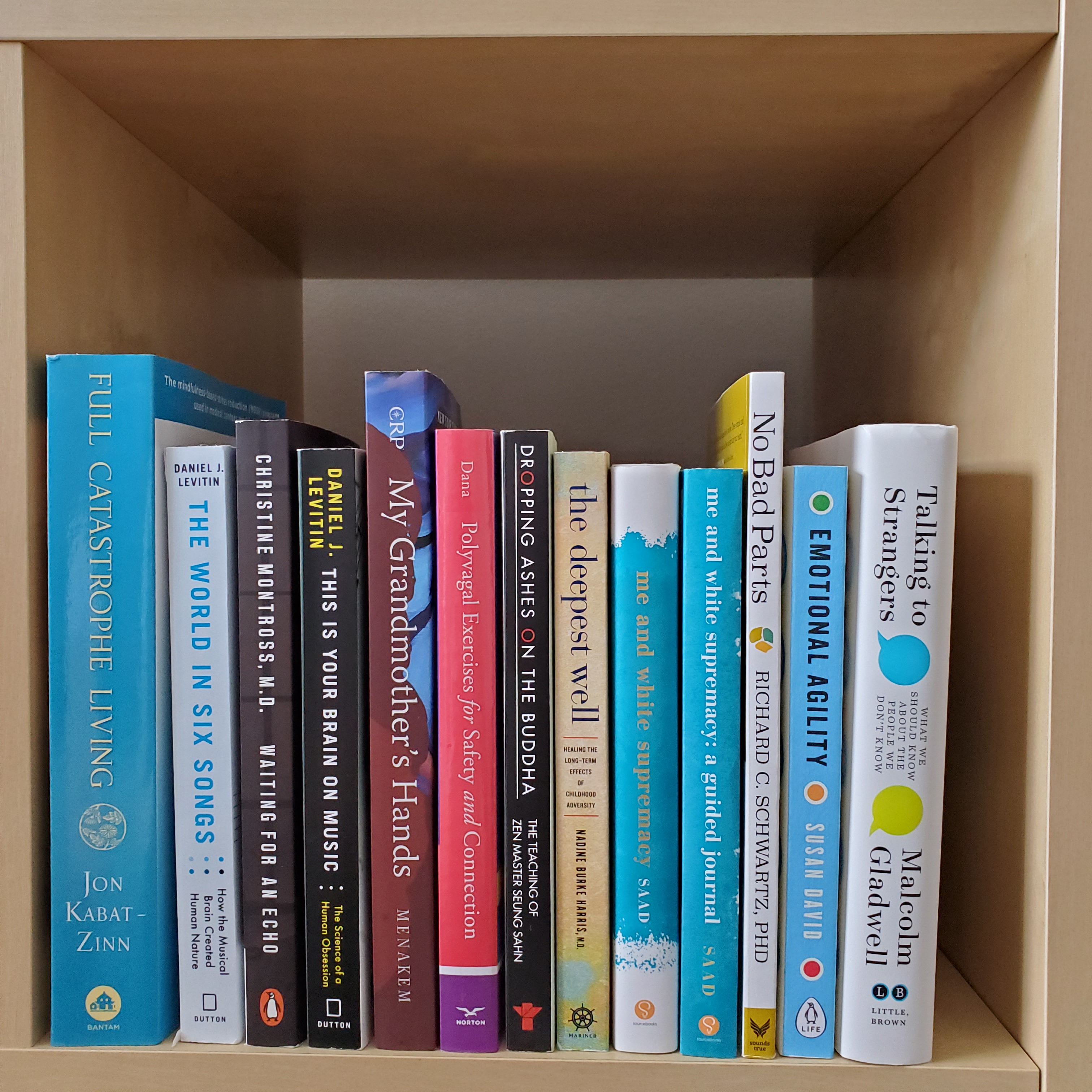
Oh hello friends! I’m a reader. A slow reader. A let-me-digest-this type reader. And also a distracted-by-all-the-cheeses-I-could-be-tasting type reader. So besides my Mastering Cheese textbook, 2021 had seven books for me that I’m going to be raving about to everyone I talk to anyway, so you may as well just see the list now.

I hope you pick up one or two in 2022 and find your mind opened and your heart moved and your energy sparked.

~

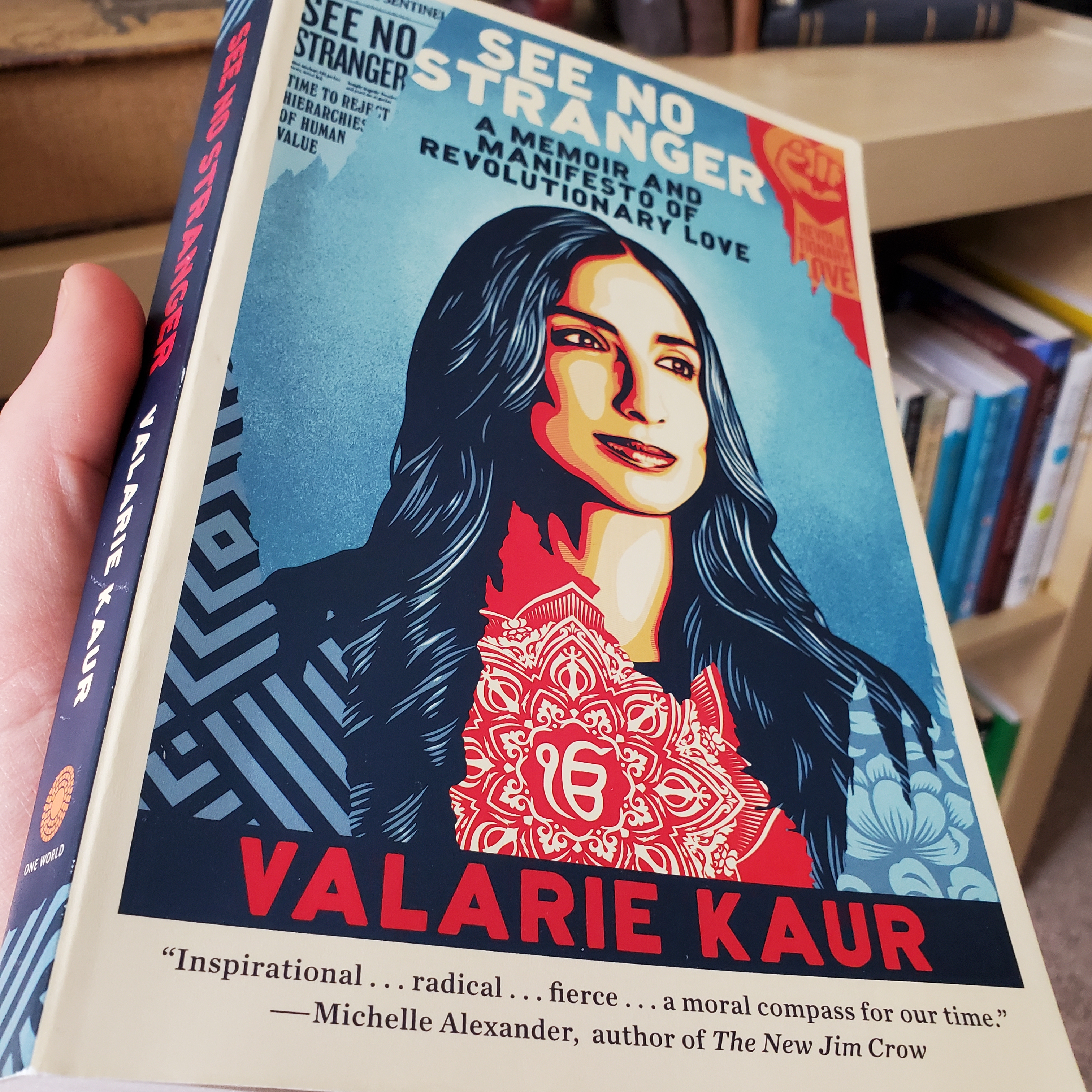
See No Stranger
A Memoir and Manifesto of Revolutionary Love
by Valarie Kaur

3 words this made me feel: Human, Love, Connected

1 thing this inspired me to do: Listen and learn about way more people.

A surprising thing I learned: The hatred and violence against Sikh communities in the wake of 9/11, and how radically loving their responses were.

Why I think you should (there are no shoulds, but still) read it: Honestly, this one is just going to make you a better person. A more connected human. I don’t know what else to say.

Reading difficulty 1-10: Not. It’s easy to get lost in, hard to put down.

A favorite excerpt (how do I even choose?!?) to whet your appetite: “You are a part of me I do not yet know. . . . Wonder is where love begins, but the failure to wonder is the beginning of violence. Once people stop wondering about others, once they no longer see others as part of them, they disable their instinct for empathy. And once they lose empathy, they can do anything to them, or allow anything to be done to them.”

~

To Shake the Sleeping Self
A Journey from Oregon to Patagonia, and a Quest for a Life with No Regret

by Jedidiah Jenkins

3 words this made me feel: Adventure, Free, Brave

1 thing this inspired me to do: Spontaneously take a winter hiking and meditation trip to the snowy, icy Minnesota north shore. Oh and revive my old pastime of spending hours and hours browsing Google maps.

A surprising thing I learned: Even though North America and South America are connected by land, you have to travel by water or air between Panama and Colombia because there’s a roadless jungle called the Darien gap that is known as a “smuggling corridor” and is considered one of the world’s most dangerous places.

Why I think you should (there are no shoulds, but still) read it: It challenges everything you’ve settled into. It pulls messy honesty out of you. It makes you dream again.

Reading difficulty 1-10: Another nail-biter. Honestly this reads more like an epic movie in IMAX. Difficulty negative ten.

A favorite excerpt (how do I even choose?!?) to whet your appetite: “As thirty approached, and ‘youth’ was passing into ‘adulthood,’ the terrible reality of time hit me like a wet rag. I looked back on my twenties and realized that every time there was a crossroads, I took the first and safest path. I did just what was expected of me, or what I needed to do to escape pain or confusion. I was reactive. I didn’t feel like an autonomous soul. I felt like a pinball.”

~

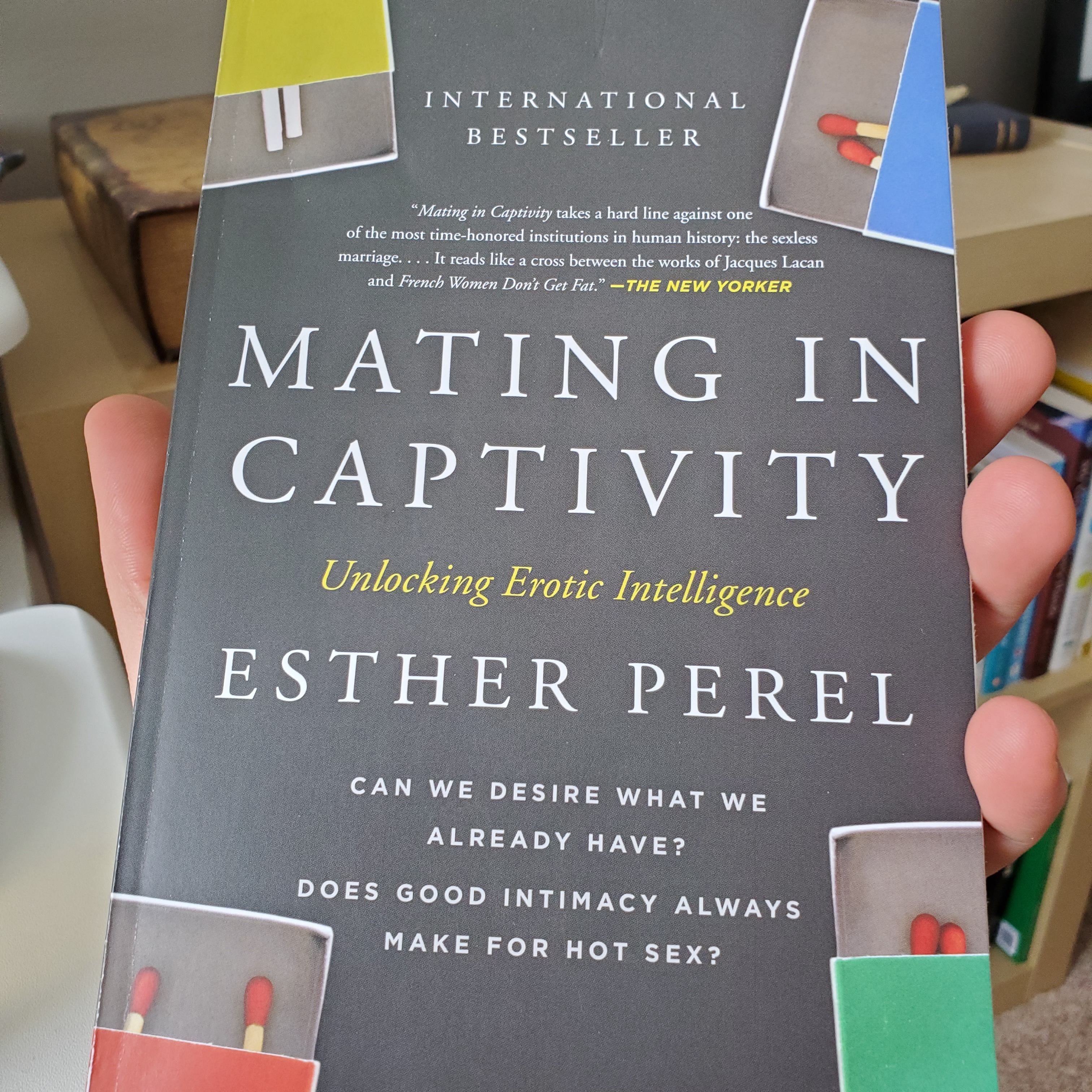
Mating in Captivity
Unlocking Erotic Intelligence
by Esther Perel

3 words this made me feel: Understood, Excited, Inchargeofmyself

1 thing this inspired me to do: Communicate more.

A surprising thing I learned: Just how codependent and enmeshed American love relationships tend to be, and just how unsustainable and unfulfilling romance is when its core is a pursuit of absolute security.

Why I think you should (there are no shoulds, but still) read it: For almost all of us, sex and eroticism is a core part of us and so worth exploring and learning and getting help with. But it’s also not supposed to be talked about, so that getting help and exploring thing doesn’t always happen. This book is a life-changing, sigh-of-relief-giving, absolutely amazing place to start your own conversation about it.

Reading difficulty 1-10: Esther Perel is a story-teller who thinks and speaks and guides in stories. And through each story she somehow introduces you to your truer self. It’s not difficult, it’s completely engrossing.

A favorite excerpt (how do I even choose?!?) to whet your appetite: “Fear–of judgment, of rejection, of loss–is embedded in romantic love. Sexual rejection at the hands of the one we love is particularly hurtful. We are therefore less inclined to be erotically adventurous with the person we depend on for so much and whose opinion is paramount. We’d rather edit ourselves, maintaining a tightly negotiated, acceptable, even boring erotic script, than risk injury. It is no surprise that some of us can freely engage in the perils and adventures of sex only when the emotional stakes are lower–when we love less or, more important, when we are less afraid to lose love.”

~

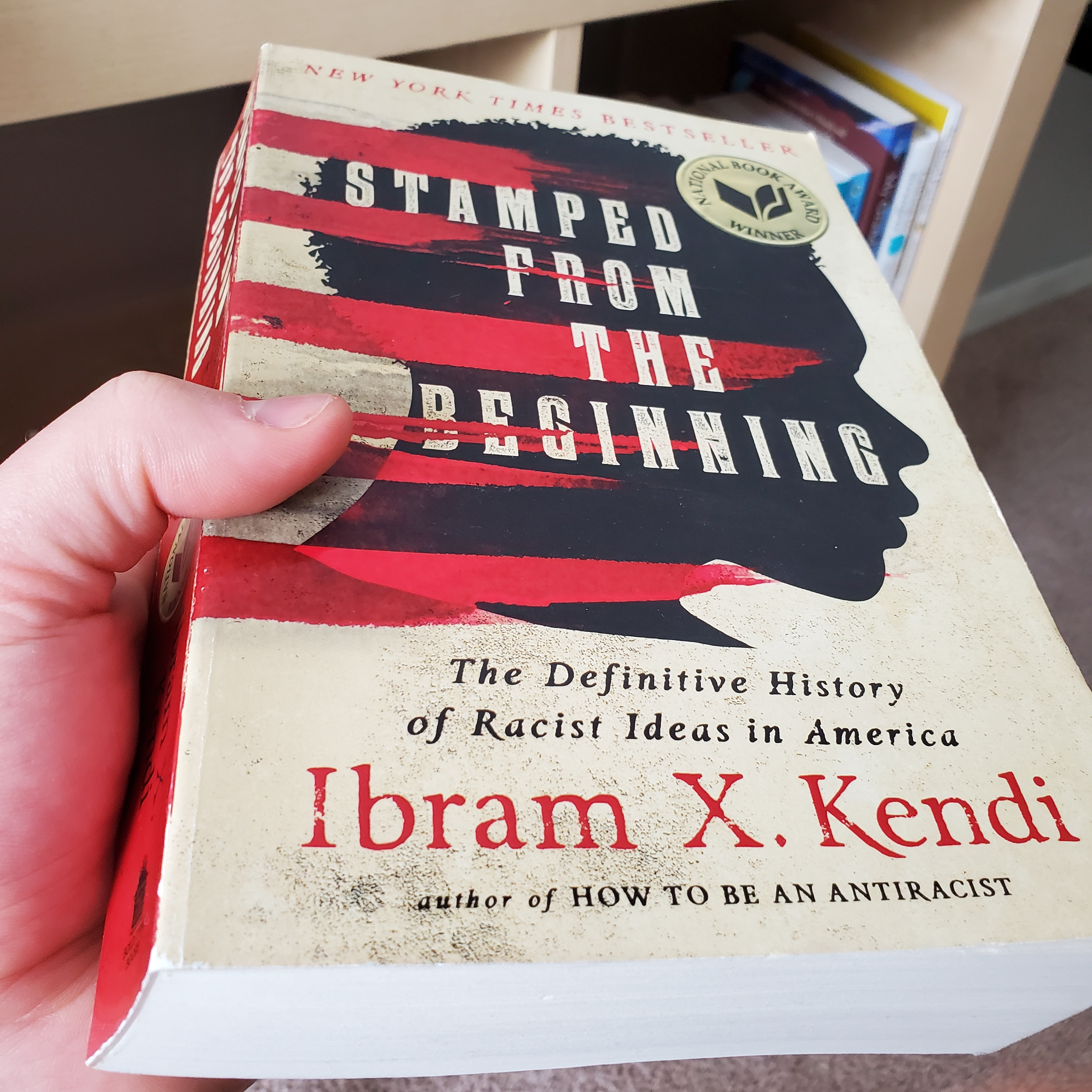
Stamped from the Beginning
The Definitive History of Racist Ideas in America
by Ibram X. Kendi

3 words this made me feel: Disgust, Determination, Love

1 thing this inspired me to do: Make a habit, every time I hear someone (including myself) place responsibility on BIPOC and other minorities to “pull themselves up by their bootstraps,” of redirecting the responsibility first and foremost onto the ones who are doing the oppressing or enjoying giant advantages from the oppression. In other words, while a Black person may choose to fight for themselves, a white person is fully responsible for making the world a safer and fairer and more equitable place for Black people and other minorities–and that is not done by ignoring away our head start and enthusiastically cheering them on to fix it all themselves.

A surprising thing I learned: While it was a huge and needed step forward, the passing of the Civil Rights Act also made way for a new version of racist argument in America: Since opportunity was now supposedly, officially “equal,” we could now just blame the Black population for ongoing disparities, instead of grappling honestly with the hundreds-of-years head start white Americans and their families had and the reality of ongoing racism.

Why I think you should (there are no shoulds, but still) read it: It is such a powerful eye-opener and motivator. It is incredibly informative and it’s a deep motivator for making the world a better place.

Reading difficulty 1-10: Honestly, this one’s challenging. I’d say it’s a 10 in difficulty, because it’s just got so much gross, depressing, nauseating truth for America to face. Which also means it’s a 10 for needing to be read by you and me.

A favorite excerpt (how do I even choose?!?) to whet your appetite: “Time and again, racist ideas have not been cooked up from the boiling pot of ignorance and hate. Time and again, powerful and brilliant men and women have produced racist ideas in order to justify the racist policies of their era, in order to redirect the blame for their era’s racial disparities away from those policies and onto Black people.”

~

Play
How It Shapes the Brain, Opens the Imagination, and Invigorates the Soul
by Stuart Brown

3 words this made me feel: Childlike, Happy, Relief

1 thing this inspired me to do: Make opportunities to laugh more. And sometimes swim laps less like a human and more like a dolphin frog. Or a frog dolphin. A frolphin.

A surprising thing I learned: Humans have a real developmental for “secret spaces” where we can be totally and safely alone, free, and uncensored.

Why I think you should (there are no shoulds, but still) read it: Because you’re too busy right now, and it’s making you sad.

Reading difficulty 1-10: 1 if you read it, 10 if you don’t.

A favorite excerpt (how do I even choose?!?) to whet your appetite: “Once she realized that she would need time for her heart play and started acting on that realization, she began to experience true play again. She began to feel an excitement with life that she had forgotten. . . . Setting out to remember those feelings can be dangerous. It can seriously upend your life. If [her] marriage wasn’t as strong as it was, her husband might have felt she was pulling away when she went on long hikes by herself . . .”

~

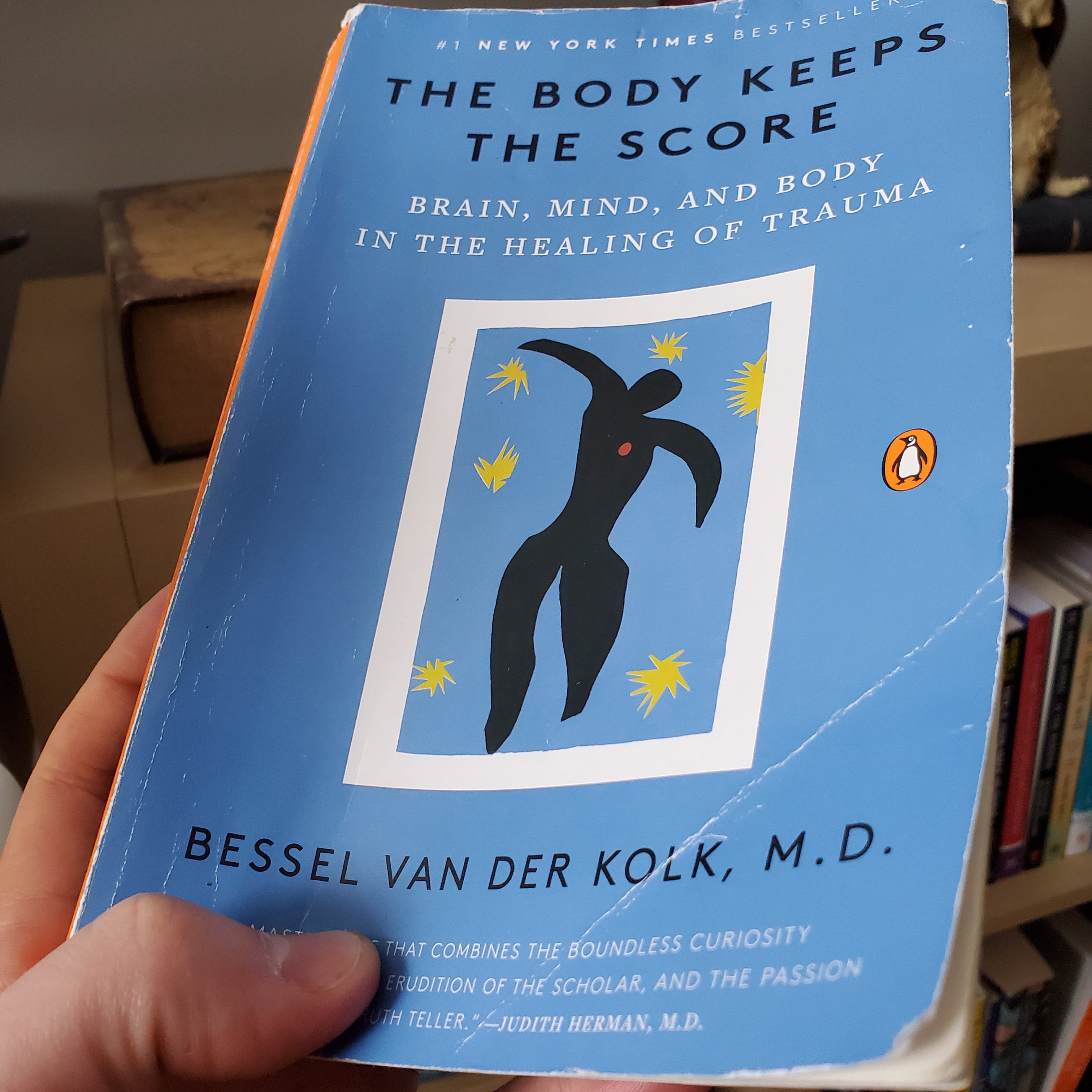
The Body Keeps the Score
Brain, Mind, and Body in the Healing of Trauma
by Bessel van der Kolk

3 words this made me feel: Hopeful, Understood, Likeiactuallyhaveabody

1 thing this inspired me to do: Yoga, swim. “Think through” less, hug myself more.

A surprising thing I learned: Retelling trauma in talk therapy can actually continually retraumatize. Sometimes saying what happened isn’t what it takes to make your body trust that it’s safe again.

Why I think you should (there are no shoulds, but still) read it: Because if you’re somehow one of the people who won’t find yourself deeply in these pages, you love someone who does, and this will help you get it. And whether for you or your people, there are so. many. practical. options. So good.

Reading difficulty 1-10: There’s science stuff, but it’s worth it.

A favorite excerpt (how do I even choose?!?) to whet your appetite: “Trauma victims cannot recover until they become familiar with and befriend the sensations in their bodies. Being frightened means that you live in a body that is always on guard. Angry people live in angry bodies. The bodies of child-abuse victims are tense and defensive until they find a way to relax and feel safe.”

P.S. Bonus fact, when you get to the part where Bessel van der Kolk remembers the feeling of being a “little boy” with “stern, Calvinistic parents” . . . . . . same, friend, same. . .

~

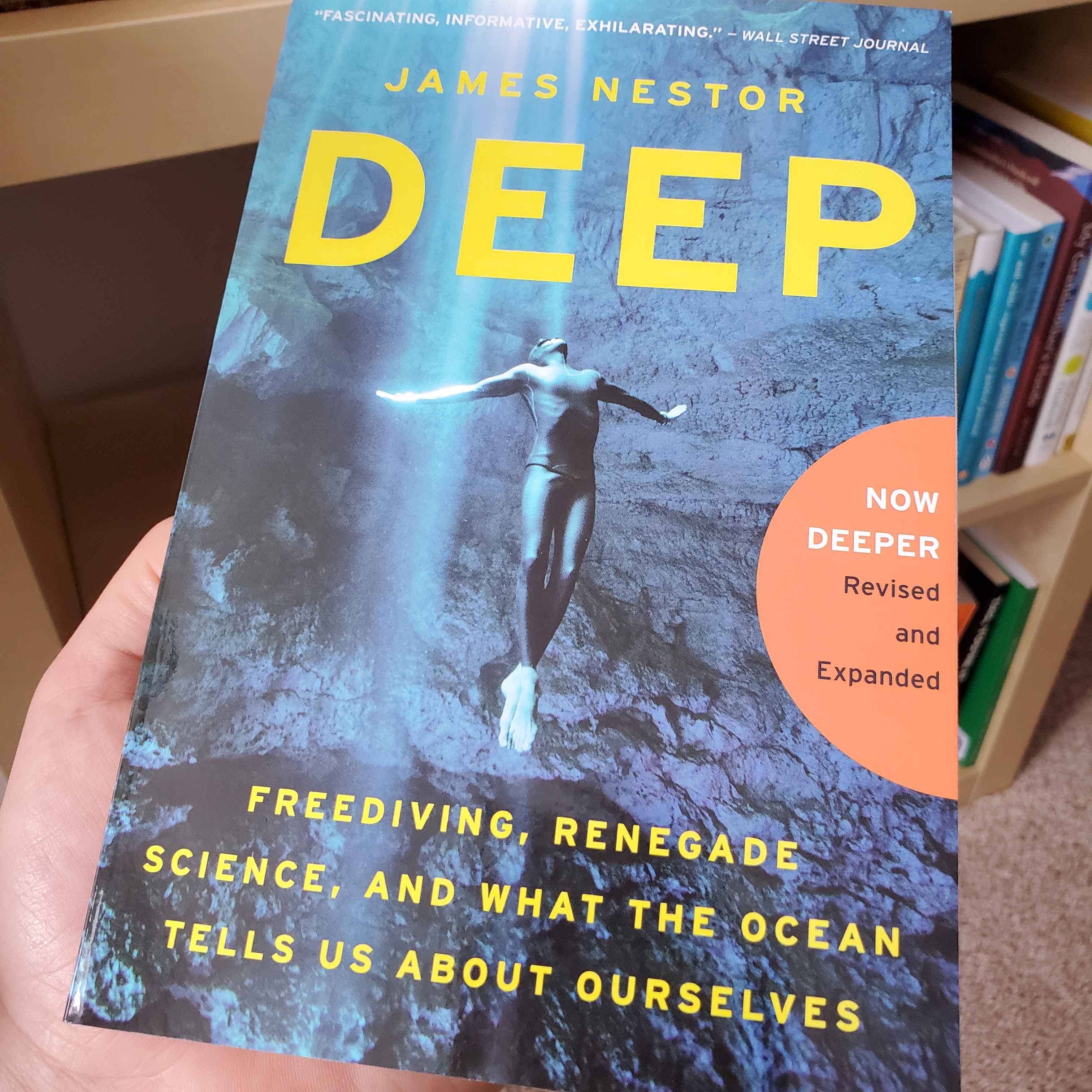
Deep
Freediving, Renegade Science, and What the Ocean Tells Us About Ourselves
by James Nestor

3 words this made me feel: Amazed, Excited, Powerful

1 thing this inspired me to do: Learn free-diving.

A surprising thing I learned: The deeper you go underwater, the more blood flows away from your limbs toward vital organs to keep them functioning longer. Peripheral vasoconstriction. “When a diver descends to three hundred feet–a depth frequently reached by modern freedivers–“ and I’m having to just quote this verbatim because I mostly skipped science, thank you home school, “vessels in the lungs engorge with blood, preventing them from collapse.”

Why I think you should (there are no shoulds, but still) read it: Honestly, this sounds like a niche book for a niche audience, but I 100% swear you’ll enjoy it. Also, do you like sharks?

Reading difficulty 1-10: Less than 1.

A favorite excerpt (how do I even choose?!?) to whet your appetite: “The ocean is usually silent, but the waters here were thundering with an incessant click-click-click, as if a thousand stove lighters were being triggered over and over again. Schnöller figured the noise must be coming from some mechanism on the ship. He swam farther away from the boat, but the clicking only got louder. He’d never heard a sound like this before and had no idea where it was coming from. Then he looked down. A pod of whales, their bodies oriented vertically, like obelisks, surrounded him on all sides and stared up with wide eyes. They swam toward the surface, clicking louder and louder as they approached. They gathered around Schnöller and rubbed against him, face to face. Schnöller could feel the clicks penetrating his flesh and vibrating through his bones, his chest cavity.”

~

Want to borrow one?

~

Sneak peek of what’s next . . .

~

Maybe all this reading results in a few helpful thoughts from my fingertips this year. Want to hear them?
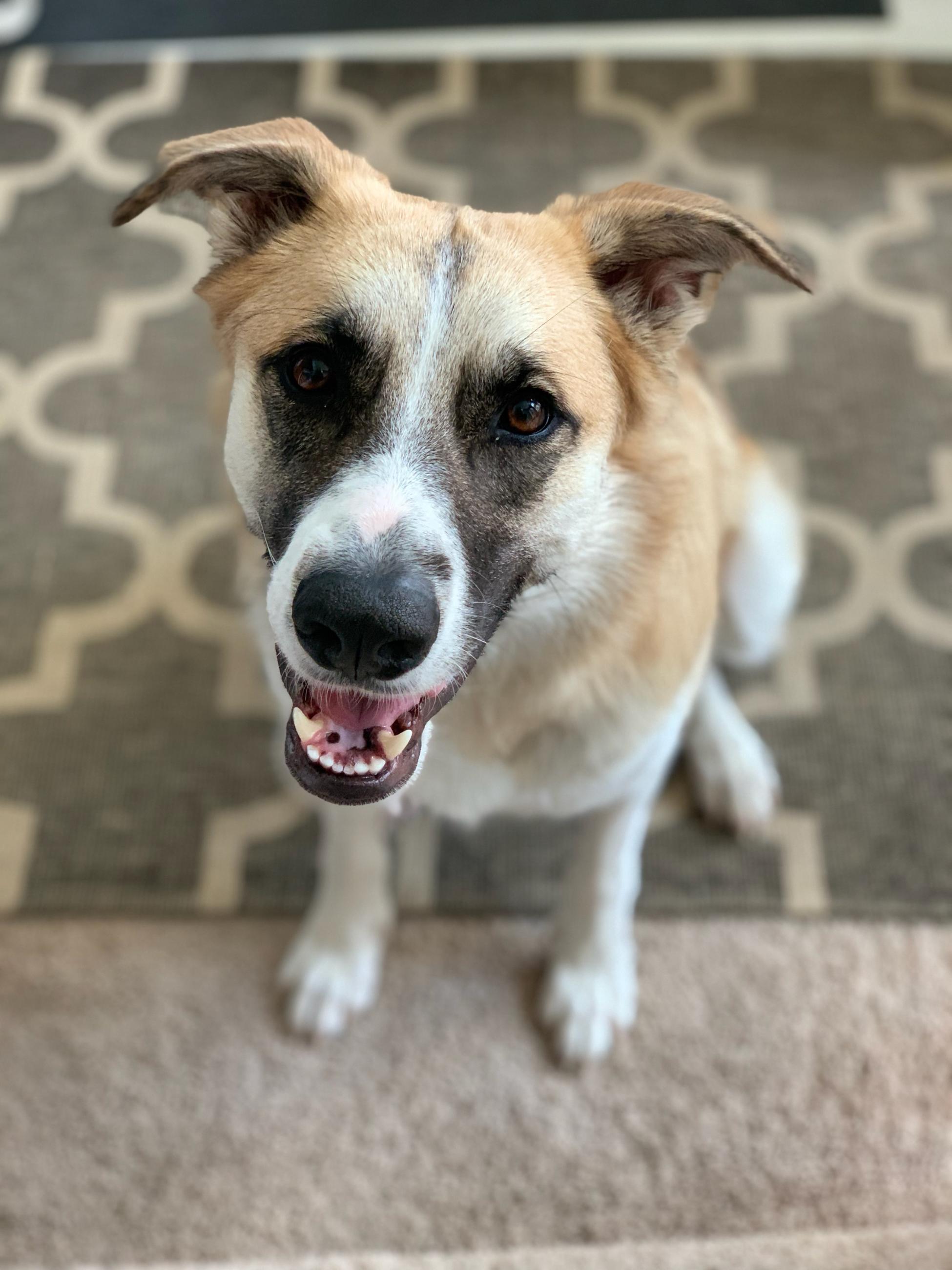
Willoughby

I don’t have many words these days.

Life goes on, when someone you love dies, and that’s so frustrating. I want the world to stop for a minute. Or at least I want to take a step away from it all for a minute, but unfortunately I still have to get groceries and go to work and say hello back to people. And all those people expect me to be normal or at least decent, but all I want is to not talk to anyone, to not look at anyone, to not care about things like money or drama or events.

Everyone is so sympathetic at first, so many big feelings sent. And then, like the rest of life, those people also go on, because they’re those people, not me, and because they should go on, they have to go on, they just obviously would go on, because why would they stop life to just watch me grieve for days and weeks and months? It only makes sense. Just because my world comes to a screeching halt, doesn’t mean the world comes to a screeching halt. Which is a little whiplashy. So after the first few days, most people have forgotten it, and after the first couple weeks, most who remembered it won’t dare to bring it up.

Why do people think it will hurt too much if they keep bringing up someone you’ve lost? Letting them disappear hurts so much worse. I daydream of moments when a friend would say “How are you doing with all this?” or “Are you okay?” or “I’m so sorry you lost him” or “Do you want to talk about it?” or “What was he like?”

Because I don’t want to be done with him. Ever.

What was he like? He was perfect. And by perfect I mean in a particular way.

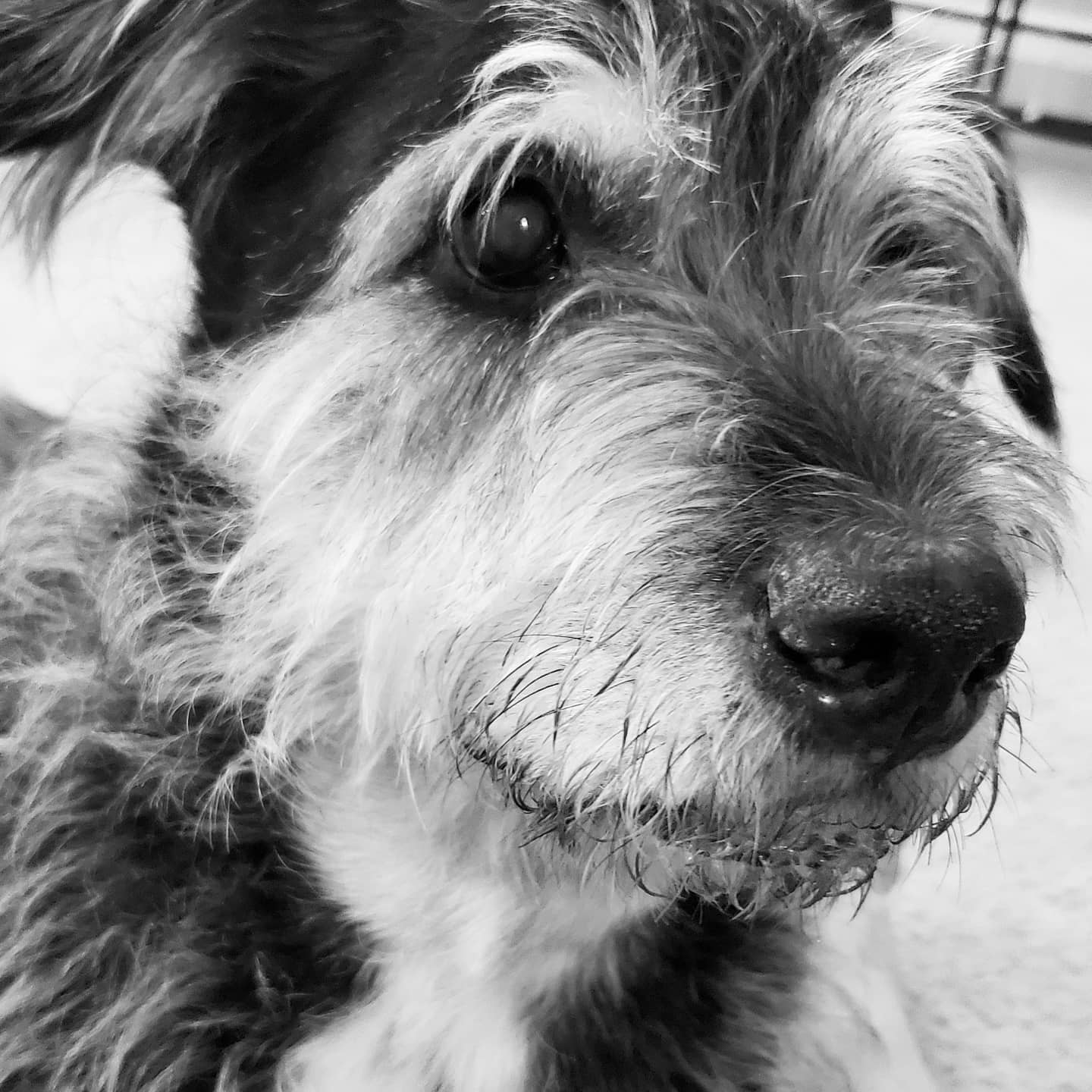
He cost a lot of money to take care of in his old age. And when we left for too long in the evenings he would tear up a toilet paper roll or dump the contents of a backpack at the front door, which seemed to be his way of saying “I need to be with you.” His snoring and licking and midnight hijinks made it hard to sleep until I finally bought ear plugs. To record anything for my blog anymore, I had to close myself behind two doors and hope that no footsteps in the hall would make him bark and then deal with his looks of betrayal for a while when I finally opened the doors. And some nights I really didn’t want to take him back outside before bed.

So then what does perfect mean?

Perfect means that I never had to wonder, for even a second. Willoughby loved me. And he just wanted to be with me. And he would always, always be there, wagging his tail, ready to give all the licks and hugs. I napped more when Willoughby was around, because when you’re in the presence of so much love, resting makes sense. It was just love. Acceptance. Friendship. Perfect.

Oh, and he was absolutely hilarious.

I scheduled myself a Monday off work just so that I could bring Willoughby out into the world for one more good adventure day. His tumor was growing and I knew he didn’t have much time. The week before, I had taken him on a walk in the strong wind. He had run and run with the blowing wind accentuating the massive grin plastered on his face. Couldn’t get enough. When we had gotten to the front door, it was abundantly clear he wasn’t ready to leave the great outdoors. So we stood in the wind until the wind became snow and his old man legs started shaking and then finally he sat straight down on the sidewalk and I realized that this was the most important stuff of life so I sat down next to him and we just watched the world and felt the beating snow. And it was our best day. So I scheduled the next Monday to take him to go see all of the world that he could possibly want to see. But he didn’t make it to Monday.

I still feel this need to explain, somehow justify, why Willoughby’s death left me as torn up as it did. I think I’ve said “I know we only had him for about a year” twenty times, and I hate every single time that I have said that. When Willoughby died he was my best friend and he was my wife’s best friend. It doesn’t take long to fall in love with unconditional love. To become attached to it. Wrapped up in it. The last few years haven’t been easy. Honestly, life hasn’t. I had a lucky few light-hearted years in my early 20’s, but I didn’t realize then how much childhood trauma was simmering under the surface. Add a couple concussions that brought so much to the surface and then a pandemic and loss of community and chronic pain and too many more little things that added up so much. For a lot of it, Willoughby kept me going. Life drained me, but then I’d get home and Willoughby’s entire rear half would be violently wagging at the door because he was so damn excited that WE WERE TOGETHER AGAIN! So life was okay. And then he wasn’t there. And life wasn’t okay anymore.

I never really understood the anger part of grief so much. Like, sure anger about mean or abusive people that hurt you or the ones you love. But anger over the loss of such a good, pure, perfect thing? Why would you be angry?

Maybe because it was my lifeline. It was the good thing. It was the only uncontaminated thing. Everything else was up in the air. Now I understand the anger.

We gave Willoughby a home to retire in, but I honestly think in a more real way he gave us a home. He gave me a home. He gave my heart a safe place. And he gave me the gift of love. A kind of love that, even when he’s gone, is still just as strong. The kind of love that doesn’t depend on stuff and doesn’t go back and forth. Just complete, unconditional, untiring love.

“There’s nothing you could have done, ” said a soft voice, “Calm down, you will survive.”
~ SYML, DIM

Thursday morning I took Willoughby for a walk. All he wanted was to eat grass. He wasn’t interested in anything else. Sometimes dogs do that when they’re not feeling good in their tummies. I think it was the tumor taking over. That morning, Lyssi and I finally listened to SYML’s new EP, DIM. That night, Willoughby couldn’t stand up. The next morning, after a lonely drive crying in a way I didn’t know I could cry, we said goodbye.

I want some more time, I can’t give you up.
One lifetime is never enough, so stay with me.
More than a body, you’re more than my heart,
you’re my blood, stay with me, stay with me
!”
~ SYML, STAY CLOSE

Whenever I park my car and hop out, I instinctively glance up at the window and watch Willoughby let out an over-excited howl because we get to be together again. Now I keep looking up at the window before remembering that he won’t be there. It’s rough. And I keep imagining some way that we could actually see him again.

“Lay down with me tonight, breathing slow . . . rest now, kiss me goodbye in the morning. I’m with you always.”
~ SYML, DIM

Nora McInerny was right. In her Ted Talk on grief, which is everything I have to say about grief at this point, she shares the very curious fact that when people lose someone who matters so deeply to them, they keep using the present tense to talk about them. Because they’re not really gone. I used to not get that. But after Willoughby died, I kept catching myself talking about him like he was still here. “He’s the best.” “He’s so full of love.” “He’s a senior dog.” “He’s such a good boy!” “He’s our best friend.” “I love Willoughby so much!” “He’s so sweet!” Because he is all of those things. Willoughby’s Willoughby-ness will always be real, and always be beautiful, and always be happy, and always be perfect.

“Though you had to go, I won’t forget your light. . . .
I will protect your light.”
~ SYML, DIM

And I don’t ever want to be done talking about him. Or even talking to him. I still do that. Because he’s the best.

I miss you Willoughby. Maybe one day I’ll be able to write down just how much you mean to me, to us. And maybe I’ll be able to speak about some of the deep truths I learned about life and loss and love and grief and beauty and strength and friendship and hope from you. And just how rough it is to not see you anymore. For now, I don’t have many words.

This WEIRD holiday season

Humans infect each other through smiles and embraces.

“Cheer” is a word about the holidays.

And Cheer is just the greatest condition to be infected with.

Each year, sometime in October or November, we hear rumblings of Christmas music.

Cheer is on its way.

Soon we start putting parties and get-togethers on the calendar.

We browse to find the perfect gifts, picturing the glow we will see in the eyes of our best buddies as they tear into the wrapping paper.

Daydreams of pies and cinnamon and (for some of us) eggnog.

And finally, all bundled up, shivering on the doorstep, we ring the bell, and as it swings open we see: the faces of our loved ones.

The faces beam.

And then–all the hugs.

The touch, the embrace, the proximity, the loving smiles so close you can feel them.

Cheer.

What does Christmas mean to you?

If you celebrate another holiday around this time of year, what does it mean to you?

Answers always include words like Family and Love.

One of the big words, though, is “Cheer.”

It’s what we’re supposed to feel at the holidays.

Only problem is: 2020 isn’t exactly the year of smiles and embraces.

The smiles we need to see, that would remind us that there is love to be had this cold winter, are hidden behind cloth masks.

The get-togethers we put on our calendars mostly say “Zoom,” and that almost feels lonelier than having none at all.

And we wonder how long it will be before we get to feel those hugs again.

This.

Sucks.

“Cheer,” this year, won’t come easy.

So, friends: How can we infect each other with some cheer anyway, this weird year?

Let’s figure this out with each other–for each other.

What do YOU need?

Tell someone.

And then ask what they need.

Let’s cook up some unique ways to bring each other some cheer this year.

Any ideas?

Wishes for 2021

My wish for 2021: That it will be a year of LOVE.

In 2021, we will listen more.

In 2021, we will surround ourselves with people who look and think and sound and live and celebrate and feel and act differently than we do.

In 2021, we will work together with people who are not like us (but really just like us).

In 2021, we will “cancel” less and communicate more.

In 2021, we will be radically compassionate.

In 2021, when you and I get the chance to experience the magic of conversation, we’ll go deep–deep to the places where we remember what inspires. And deep to places where we discover that you and I actually share the same fears and hopes.

In 2021, we will use our breath to calm ourselves and learn to pause regularly and think for a minute before speaking.

In 2021, cruel, hateful speech and bullying will not be celebrated, or even accepted. In any way. Ever.

In 2021, the go-to will be understanding, not escalation. Never escalation. No more escalation. Ever.

In 2021, we will encourage the peaceful work of coming together. We will not instigate or cheer on violence and hate.

In 2021, the words and behavior of our leaders won’t make us embarrassed and nervous as citizens of a big, beautiful, diverse world.

In 2021, when we feel fears, we will explore those fears a little more deeply before we act on them. We’ll think of the bigger picture of humanity in those moments. “How can I handle this momentary fear in a way that doesn’t push humanity further into hate?”

In 2021, we will stay very honest and bold about our anger and disagreement. But we’ll lose the sarcasm and taunting and bullying.

In 2021, we will fight tirelessly for a world in which nobody will be disrespected, disadvantaged, or live in fear because of their skin color, accent, social status, shape, disability, gender, or sexuality.

In 2021, we will see every life as valuable.

In 2021, we will SEE EVERYBODY. The homeless man on the street in downtown Minneapolis. The entrepreneur who has worked 80 hours a week to give a contribution to the world, and the world to her family. The terrified but brave mother fleeing across the border with her little child. The 13-year-old dissociating in class because he’s being abused at home. The small town business owner who can’t afford for taxes to be raised. The little Uyghur girl in China who hasn’t seen her mom for a long, long time. The suburban mom who is hearing more and more stories of violent crime and would stop at nothing to protect her children. The governor making the toughest possible decisions, knowing the backlash that will come. The Black man everyone crosses the street to avoid. We will see everybody.

In 2021, we will search out the populations that, for one reason or another, can’t breathe. We won’t wait until a crisis to care about people being trampled by our world.

In 2021, we will stop thinking or acting like some lives are more important than others. Does patriotic have to mean that Americans (especially those whose families have been American for generations) should be happier and healthier than anyone else in the world?

In 2021, the god of Competition will be worshiped just a little less.

In 2021, we will stop chasing profits just long enough to make sure we’re prepared to take care of the vulnerable, the heroes, the small businesses, and the self-employed when the next pandemic happens. (And for that matter, to just take care of people in general all the time.)

In 2021, the health and safety of every human will be a higher priority than my right to only care about myself.

In 2021, I hope that social media platforms will change their algorithms that have been constantly showing each of us more and more and more of our own narrow views of reality.

In 2021, I would challenge every person in the United States to google the word “Dogmatism.”

And in 2021, I want to do hugs again, before the year is over. And have lots and lots of people over for a meal and laughter and being in each other’s space again. And I want to see smiles again when we get to take our masks off. And lots of hugs. Lots and lots of hugs.

Exhaling our way into a beautiful new year

Wishing you Love